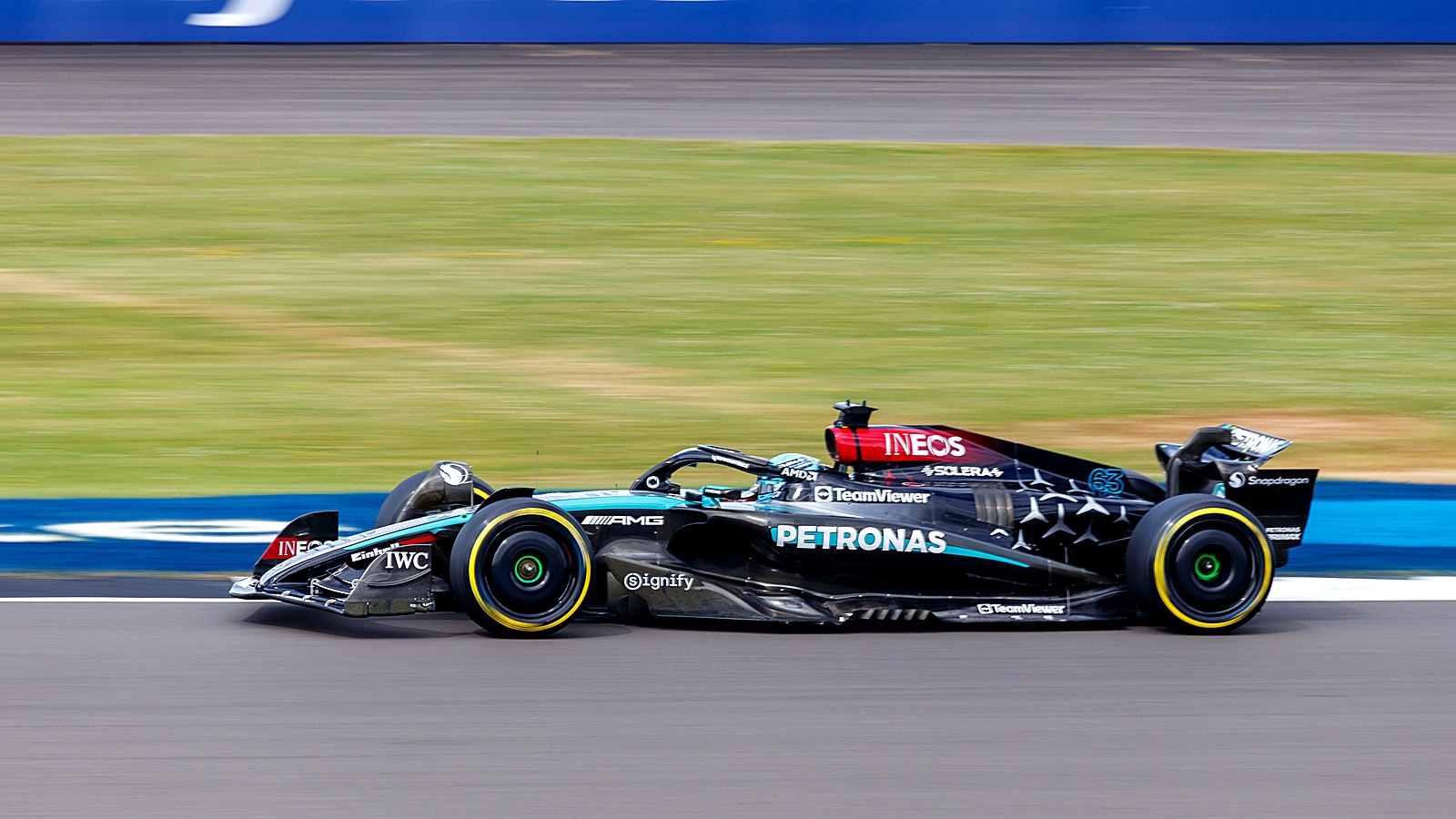
In Formula 1, drivers are the visible edge of performance. Race engineers are the voice in the ear that turns data, pressure, and chaos into decisions. The best race engineers are not just technical experts. They are decision translators.
Core quality 1: clarity under pressure
A driver at racing speed cannot process long explanations. Elite race engineers communicate in short, precise calls with clear priority.
Core quality 2: trust calibration
Driver and engineer performance is relational. The driver needs to trust that information is accurate, timely, and actionable. The engineer needs to trust driver feedback under stress.
When this alignment is weak, strategy execution slows down.
Core quality 3: strategic timing
The best engineers are not only right, they are right at the right moment. A perfect call made two laps late can still cost track position.
That timing edge matters most in:
- tyre phase transitions,
- safety-car windows,
- undercut/overcut decisions.
Core quality 4: emotional control
An engineer sets emotional tone on team radio. Stable tone helps the driver maintain decision quality, especially when race conditions change quickly.
Editorial take
Fans often remember iconic radio lines. Teams remember decision quality over 70 laps. The great race engineer is the one who reduces uncertainty when uncertainty is highest.
Bottom line
A great F1 race engineer blends technical depth with communication discipline and timing intelligence. That mix is a hidden competitive advantage in every tight race weekend.
Source: The Race report context, Formula1.com context coverage, and Wikimedia Commons image source.