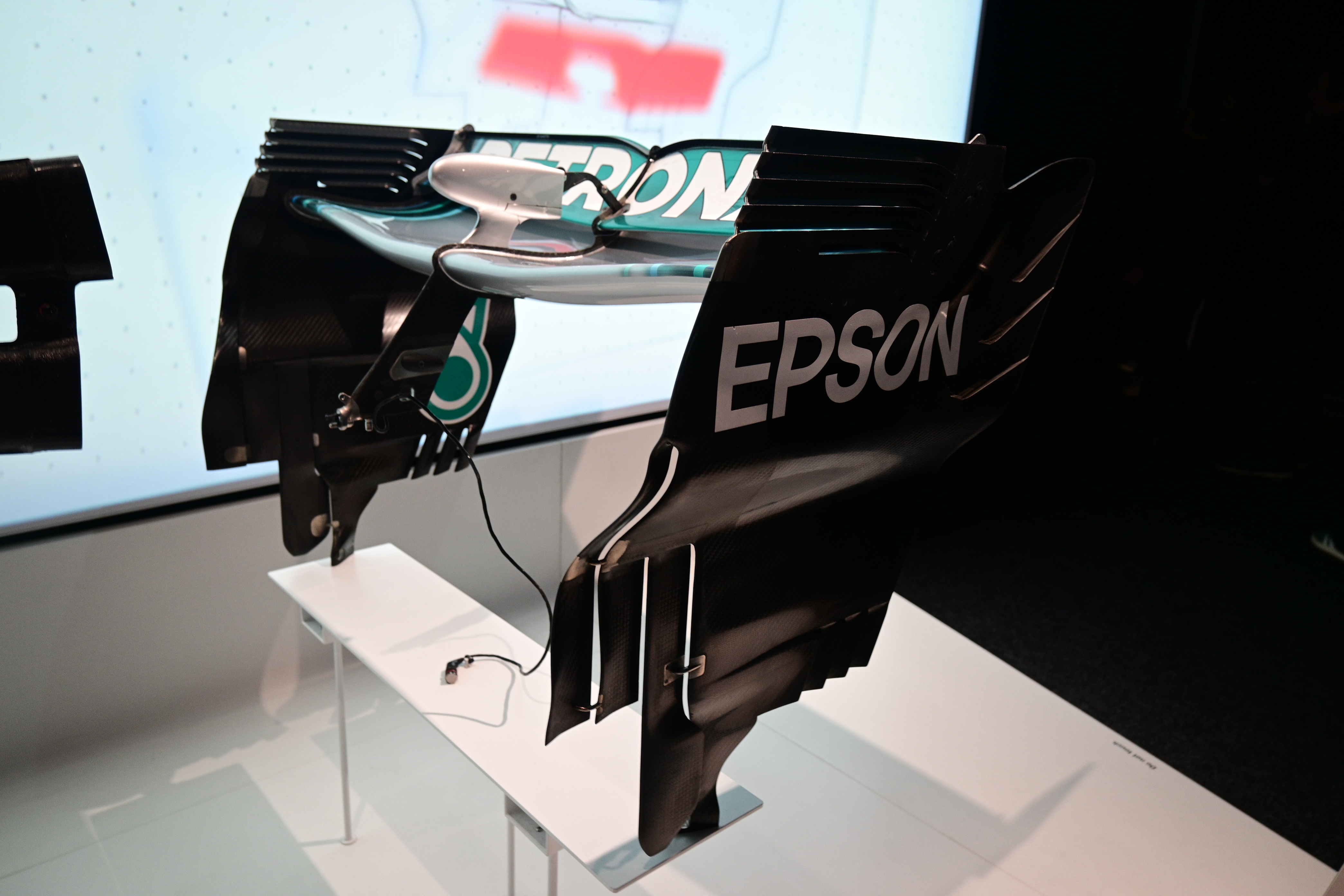
If you searched for “what is DSR in F1”, the correct term is DRS: Drag Reduction System. It is one of the key overtaking tools in modern Formula 1, and it can directly decide race outcomes when cars run close on pace.
What DRS does
DRS opens a flap in the rear wing to reduce aerodynamic drag. With less drag, the car gains straight-line speed and becomes more likely to complete an overtake before the next braking zone.
When drivers can use DRS
In races, drivers generally need to be within one second of the car ahead at the detection point to activate DRS in the next zone. In qualifying and practice, usage rules differ and are less restricted.
That means DRS is not a constant boost button. It is conditional and timing-dependent.
Why DRS changes strategy
DRS influences more than overtakes. Teams also use it in strategy planning:
- to stay in range before pit windows,
- to defend against undercuts,
- to manage tire phases while following another car.
In close title battles, the ability to enter a DRS train at the right time can be the difference between holding position and losing multiple places.
For current context, compare contenders in Verstappen vs Norris.
Common myths about DRS
A common myth is that DRS makes overtaking automatic. It does not. The chasing driver still needs better exit speed, battery deployment, and braking execution.
Another myth is that DRS removes racing skill. In practice, DRS shifts where skill appears: setup choices, race management, and precise timing around detection lines.
Editorial take
DRS is not perfect, but it is one of the few regulation tools that consistently increases on-track passing opportunities without turning every move into a guaranteed pass.
Bottom line
DRS is a controlled overtaking aid, not a shortcut. Understanding where and when it can be used is essential if you want to read modern Formula 1 races correctly.
Source: Formula1.com context coverage, FIA regulations, and Wikimedia Commons image source.