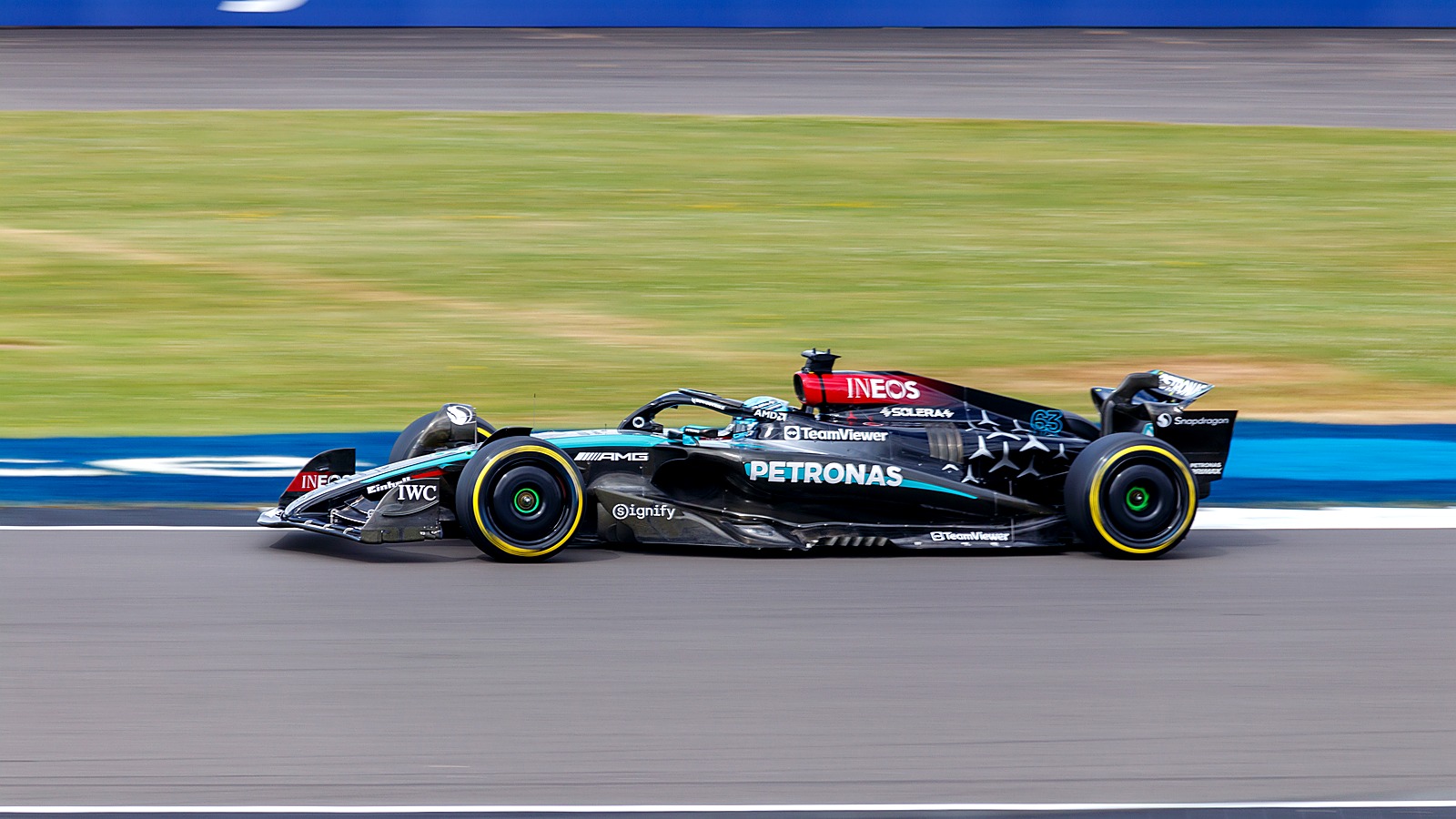
A new report indicates Mercedes customer teams could receive an engine performance step before the Australian Grand Prix. If accurate, that could influence midfield-to-front qualifying margins in the first race phase of 2026.
What is being reported
The key claim is that Mercedes-powered customers may get a useful boost for Australia. In practical terms, even a small power gain can matter when teams are separated by tight one-lap margins.
What we know vs what we still need
At this stage, this should be treated as a credible report, not a final confirmed technical bulletin from all teams involved.
That means two things can be true at once:
- the signal is important,
- uncertainty remains until race-weekend data confirms the effect.
Why this matters for early 2026 races
If the reported step translates to track performance, customer teams could gain:
- better qualifying conversion,
- stronger straight-line defense/attack,
- more strategic flexibility in race phase one.
For title context around front-running pace pressure, compare Verstappen vs Norris.
Editorial take
This is exactly the kind of pre-race signal teams take seriously in private and downplay in public. The real value is not the headline itself, but whether it survives qualifying and first-stint race pressure.
Bottom line
If this reported engine step is real in race conditions, the Australian weekend could look tighter than expected. If not, it will be remembered as pre-race noise.
Source: The Race report, Formula1.com context coverage, and Wikimedia Commons image source.