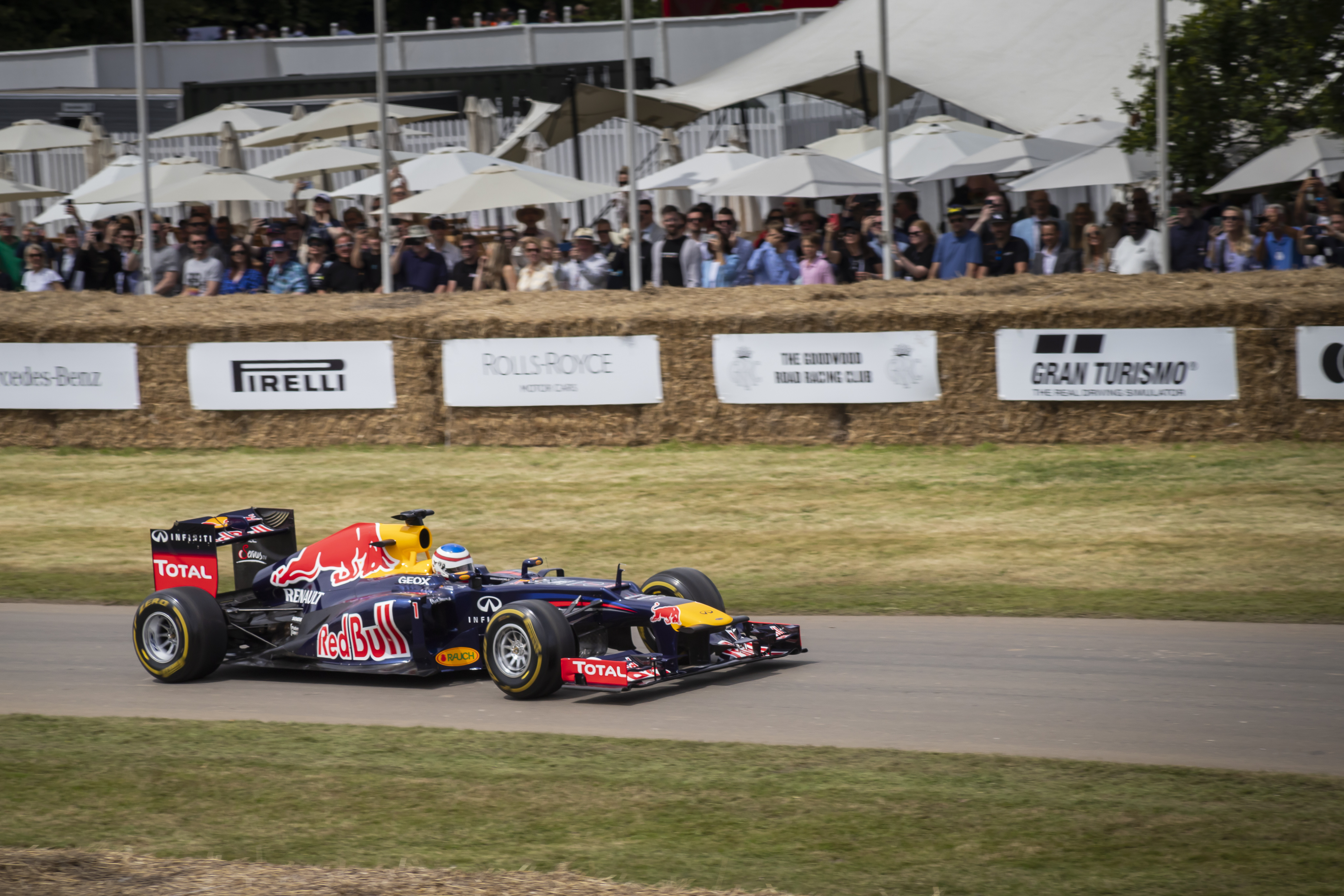
Red Bull did not build its Formula 1 identity from zero. It bought an existing team under pressure, then rebuilt it into one of the strongest operations in modern motorsport.
The starting point: Jaguar’s failed Ford era
Jaguar Racing entered Formula 1 in 2000 under Ford ownership but never became a consistent front-runner. By late 2004, Ford decided to exit and sold the team.
Red Bull acquired Jaguar before the 2005 season. That move gave Red Bull an F1 entry point, but not immediate competitiveness.
Why the takeover worked
Red Bull’s advantage was not only budget. It was organizational patience and talent concentration. Christian Horner became team principal in 2005, and the team built a long-term structure around technical leadership and execution.
The decisive step was attracting top design talent, most notably Adrian Newey, which helped shape the car philosophy that powered Red Bull’s first title era.
From first win to dynasty
Red Bull’s first Formula 1 victory came in 2009. Then came four straight drivers’ and constructors’ titles with Sebastian Vettel (2010-2013).
After hybrid-era setbacks, the team adapted again and built another championship cycle around Max Verstappen.
This is why the Jaguar-to-Red Bull transition matters: it was a long rebuild, not a quick branding trick.
Editorial take
The Red Bull story is one of systems, not slogans. Acquiring a team opened the door, but disciplined leadership and technical continuity made sustained title success possible.
Bottom line
Red Bull became an F1 team by buying Jaguar, but it became a champion team by rebuilding culture, engineering depth, and execution over multiple eras.
Source: Formula1.com context coverage, FIA archive references, and Wikimedia Commons image source.